If you are dreaming about more space, quieter roads, and a slower daily rhythm, Jones County may already be on your radar. Country living here can offer room to spread out and a strong small-town feel, but it also comes with practical details that are easy to miss if you have only lived in town or in a more suburban area. This guide will help you understand what daily life, property types, and key tradeoffs really look like in Jones County so you can move forward with confidence. Let’s dive in.
Why Jones County Appeals to Newcomers
Jones County gives you a low-density Middle Georgia setting with space that can be hard to find closer to larger city centers. The U.S. Census Bureau estimates 29,171 residents in 2025 across 393.9 square miles of land, which works out to about 72 people per square mile.
That lower-density layout is a big part of the appeal if you want privacy, land, or a more rural atmosphere. The county also shows a high owner-occupied housing rate of 83.6%, which reflects a market where many residents put down roots.
For buyers comparing affordability in the region, Jones County may feel approachable. The Census Bureau reports a median owner-occupied home value of $194,500, though actual prices can vary based on acreage, home condition, location, and property type.
What Country Living Looks Like Here
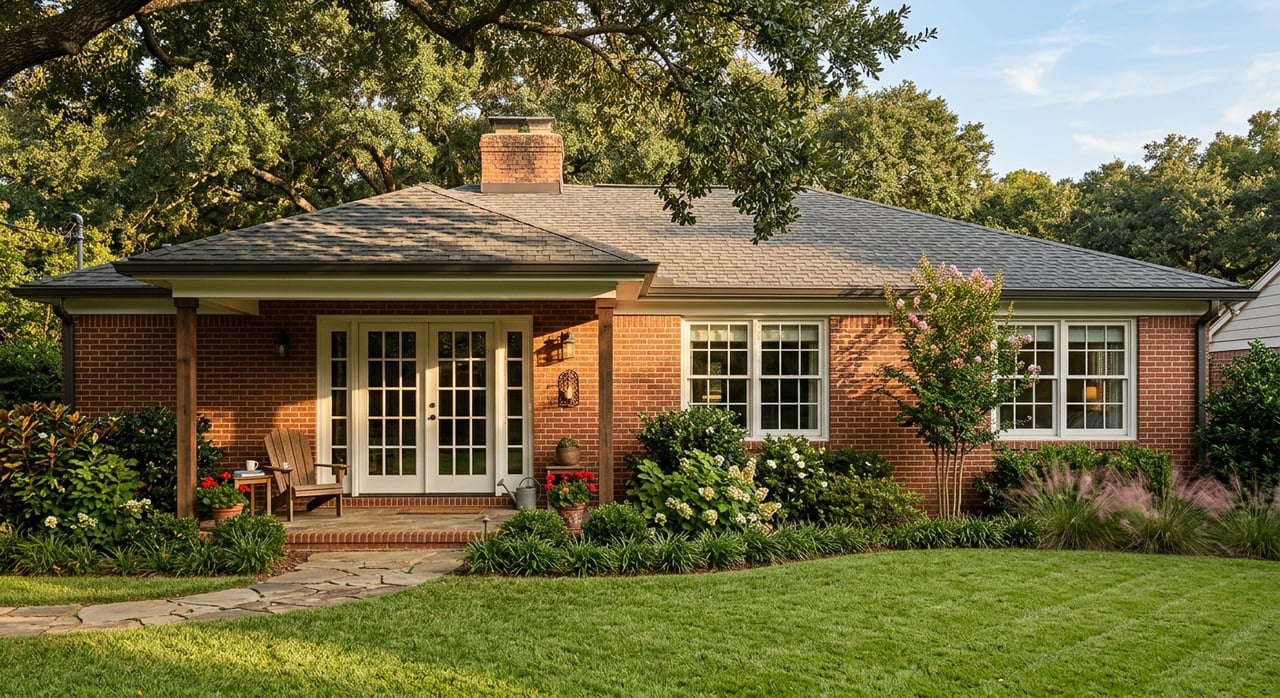
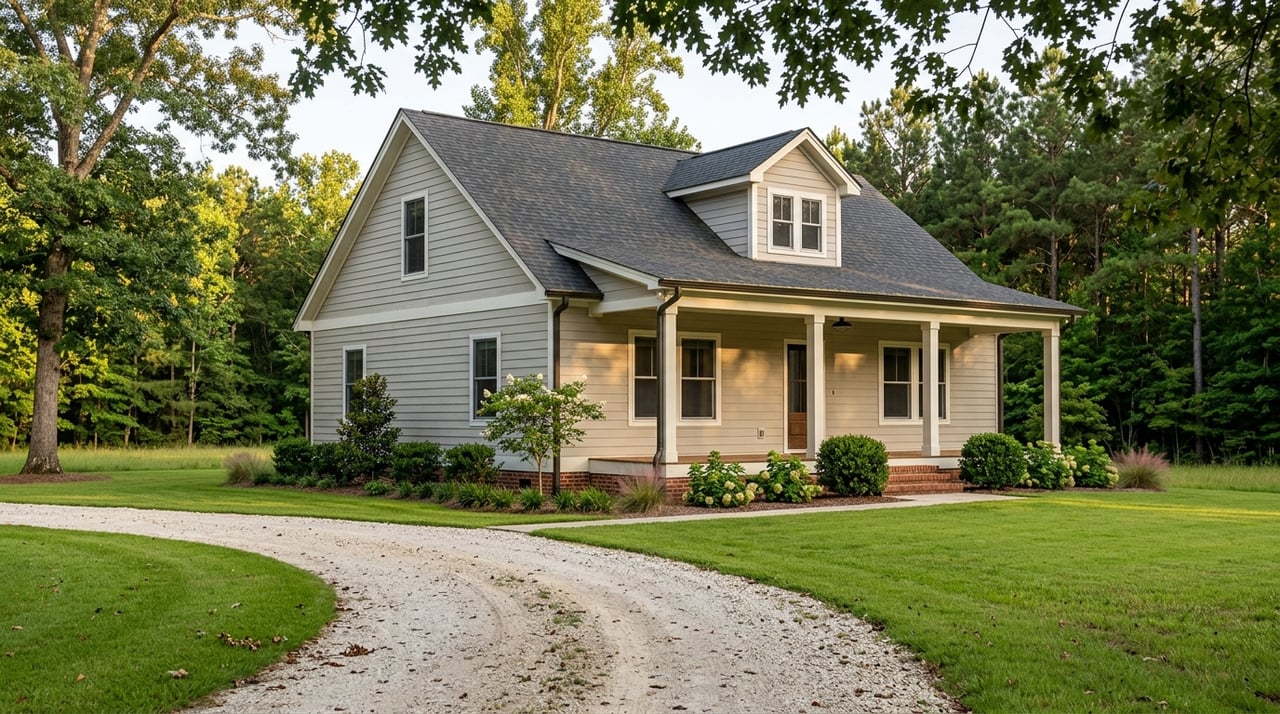
Country living in Jones County is not one-size-fits-all. According to the county’s comprehensive plan, rural residential areas often include single-family homes on large lots near agriculture and forestry land, with property types ranging from manufactured homes to larger stick-built homes.
That variety matters when you start your search. Two homes with the same county mailing area can feel very different in terms of access, upkeep, lot size, and overall setting.
You will also find a different pace depending on where you look. Areas closer to Gray offer easier access to shopping, entertainment, and commuting, while more rural pockets may give you more land and separation from neighbors.
Gray Is the Local Hub
If you move to Jones County, Gray will likely be part of your regular routine. The county’s planning documents describe downtown Gray as a walkable shopping corridor and a center for shopping, dining, socializing, and entertainment.
That makes Gray especially important for errands and day-to-day convenience. If you want country living without feeling too far from basic services, homes closer to Gray may deserve a closer look.
The town also plays a big role in the county’s character. Planning documents highlight Gray’s historic small-town feel, which helps explain why many buyers are drawn to the area in the first place.
Expect a Car-First Lifestyle
One of the biggest adjustments for newcomers is how much daily life depends on driving. The Census Bureau reports a mean commute time of 29.8 minutes, which lines up with a more car-centered routine.
Available route estimates put Gray about 19 minutes from Macon and about 27 to 28 minutes from Milledgeville. That can make Jones County practical for buyers who want rural property but still need access to jobs, shopping, or appointments in nearby cities.
Still, those drive times add up over a week. Before you buy, it helps to think through your real routine, including groceries, work, medical visits, school drop-offs, and weekend plans.
Healthcare Access Is a Real Consideration
Healthcare access is one of the clearest tradeoffs with rural living in Jones County. The county’s comprehensive plan notes only two private healthcare facilities in the county, limited access to specialists, and no after-hours or weekend care at those offices.
Residents often travel to Macon-Bibb or Milledgeville for physician visits and specialty care, especially after hours. The Jones County Health Department is located in Gray at 114 Forest Street, and nearby hospital options include Piedmont Macon Medical Center, Piedmont Macon North Hospital, and Atrium Health Navicent Baldwin in Milledgeville.
This does not mean country living is not a fit for you. It does mean healthcare access should be part of your home search criteria, especially if frequent appointments or fast access to care matter in your household.
Broadband Should Never Be Assumed
If you work from home, stream heavily, or rely on internet-based services, broadband needs careful attention. Jones County’s comprehensive plan reported that 24% of locations lacked broadband access in 2021, with unserved areas identified in northern and central to south-central parts of the county.
Fiber expansion was underway through Tri-CoGo, but availability can still vary by location. In practical terms, that means you should verify internet service at the parcel level rather than assuming it is available because of the county name or mailing address.
This is one of the most important due-diligence steps for acreage buyers. A beautiful property can feel very different if the internet setup does not support your daily needs.
Acreage Living Comes With More Homework
Buying a country property usually means looking beyond the house itself. In Jones County, rural homes can vary widely, and that makes due diligence especially important.
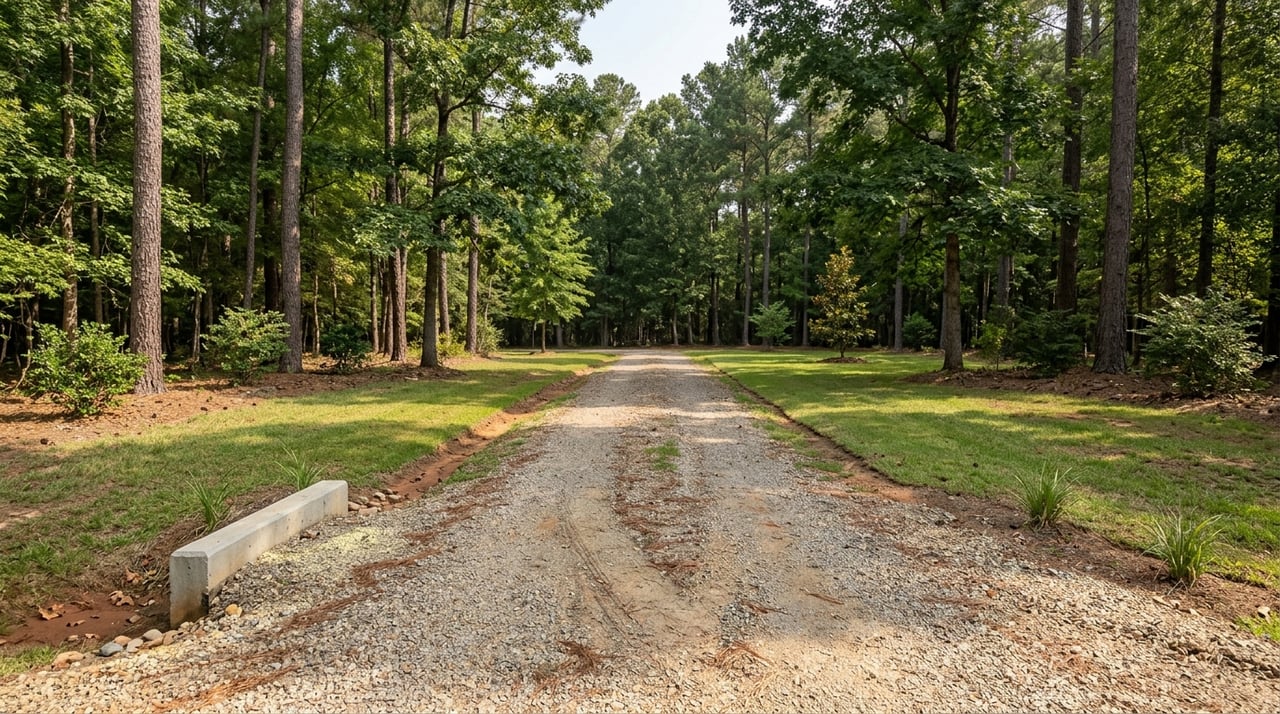
Acreage properties may differ in driveway access, road conditions, home age, utility setup, maintenance needs, and how much ongoing work the land requires. The county is working to pave dirt roads in unincorporated areas on a priority basis, but the plan notes that funding limits mean this is still ongoing.
If you are new to rural property, it helps to think in terms of systems, not just square footage. The land, access, utilities, and maintenance picture all affect how the property will function for you long term.
Wells and Septic Matter Early
In rural Georgia, septic systems are common. UGA Extension says septic systems are the norm in rural areas and that property owners are responsible for septic operation and maintenance.
Private wells also need attention. UGA Extension advises that wells should be located and maintained to reduce contamination risk, and it recommends contacting county Extension or health departments for water testing.
For buyers, this means well and septic questions should come up early in the process. If you are comparing multiple properties, these details can make a major difference in both comfort and long-term upkeep.
Recreation Is Part of the Lifestyle
Many buyers are drawn to Jones County because daily life can feel more connected to the outdoors. The county highlights several recreation assets, including portions of the Oconee National Forest, Miller Creek Lake Recreation Area, the Piedmont National Wildlife Refuge, the Hitchiti Experimental Forest, Jarrell Plantation, and the Ocmulgee River corridor.
These areas support activities like fishing, canoeing, hiking, picnicking, and hunting. If outdoor access is a priority for you, that can be a meaningful lifestyle benefit.
Jones County also operates the 88-acre Morris Bank Recreation Complex, which includes 17 ballfields, six batting cages, six pickleball courts, two playgrounds, restrooms, and pavilions. The county also lists Lake Jonesco Golf Course and the Jonesco Clubhouse among its recreation facilities.
Nearby lake recreation adds another layer to the broader Middle Georgia lifestyle. Rocky Creek Park near Sinclair Dam in Baldwin County offers a boat ramp, fishing pier, beach, picnic areas, and restrooms, which may appeal if you enjoy getting out on the water.
How to Decide If Jones County Fits You
Jones County may be a strong fit if you want space, privacy, and a quieter setting while staying within reach of Gray, Macon, Milledgeville, and the broader Middle Georgia region. It can also make sense if you are open to a car-first routine and understand that rural properties need a more careful review.
It may feel less ideal if you want quick access to specialists, walkable daily errands outside of the Gray area, or guaranteed high-speed internet in every location. The key is not whether country living is good or bad. The key is whether the day-to-day reality matches what you want.
A thoughtful home search can help you balance lifestyle goals with practical needs. When you know what to check before you buy, you are much more likely to end up with a property that fits both your vision and your routine.
If you are exploring Jones County, Gray, Milledgeville, or nearby Middle Georgia communities, working with a local guide can make the process much clearer. Carla Bentley can help you compare town, country, and lake-area options so you can make a move with confidence.
FAQs
What is country living like in Jones County, GA?
- Country living in Jones County often means larger lots, lower-density surroundings, a quieter pace, and a wider mix of property types, including manufactured homes and stick-built homes on acreage.
Is Gray, GA important if you live in Jones County?
- Yes. Gray is the county’s main hub for shopping, dining, socializing, and day-to-day services, so many residents rely on it for regular errands.
Should buyers verify internet service in Jones County, GA?
- Yes. The county’s comprehensive plan reported unserved broadband areas, so internet availability should be checked for each property rather than assumed.
Do Jones County, GA homes often use wells and septic systems?
- Many rural properties do. UGA Extension says septic systems are common in rural Georgia, and private well location, maintenance, and water testing are important considerations.
How far is Jones County, GA from Macon and Milledgeville?
- Route estimates place Gray about 19 minutes from Macon and about 27 to 28 minutes from Milledgeville, making driving a regular part of daily life for many residents.
What should newcomers check before buying acreage in Jones County, GA?
- Focus on access, road conditions, internet availability, well and septic setup, maintenance needs, and how the location fits your routine for work, errands, and healthcare.